 EveryGen AI
EveryGen AI · AI product photo generator for a complete single-product gallery
One picture rarely answers every question about an item. Use the EveryGen AI AI product photo generator to plan one SKU's square card, useful angles, detail view, and relevant setting. Bring photographs of the actual product. Start the AI product photo generator with GPT Image 2 reference editing, 1:1, 1K, and one output.
Image workspace
Sample Image
 14 / 17
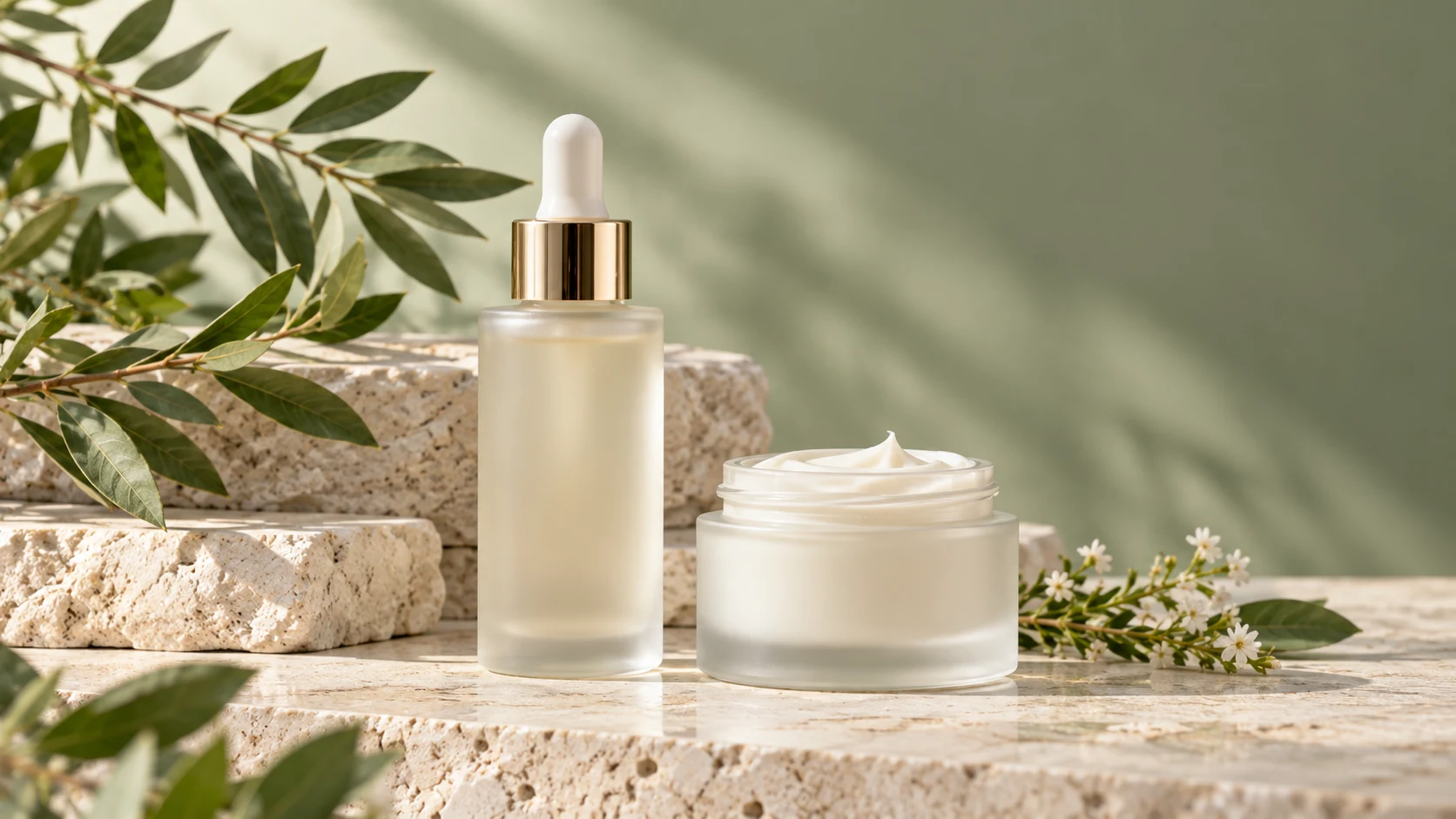
AI-generated illustration of an unbranded skincare studio scene.
Introduction
Give the AI product photo generator a shot list
Assign each picture a question to answer. An AI product photo generator is more useful when you know which information the next image should add.
Begin with the shopper's questions
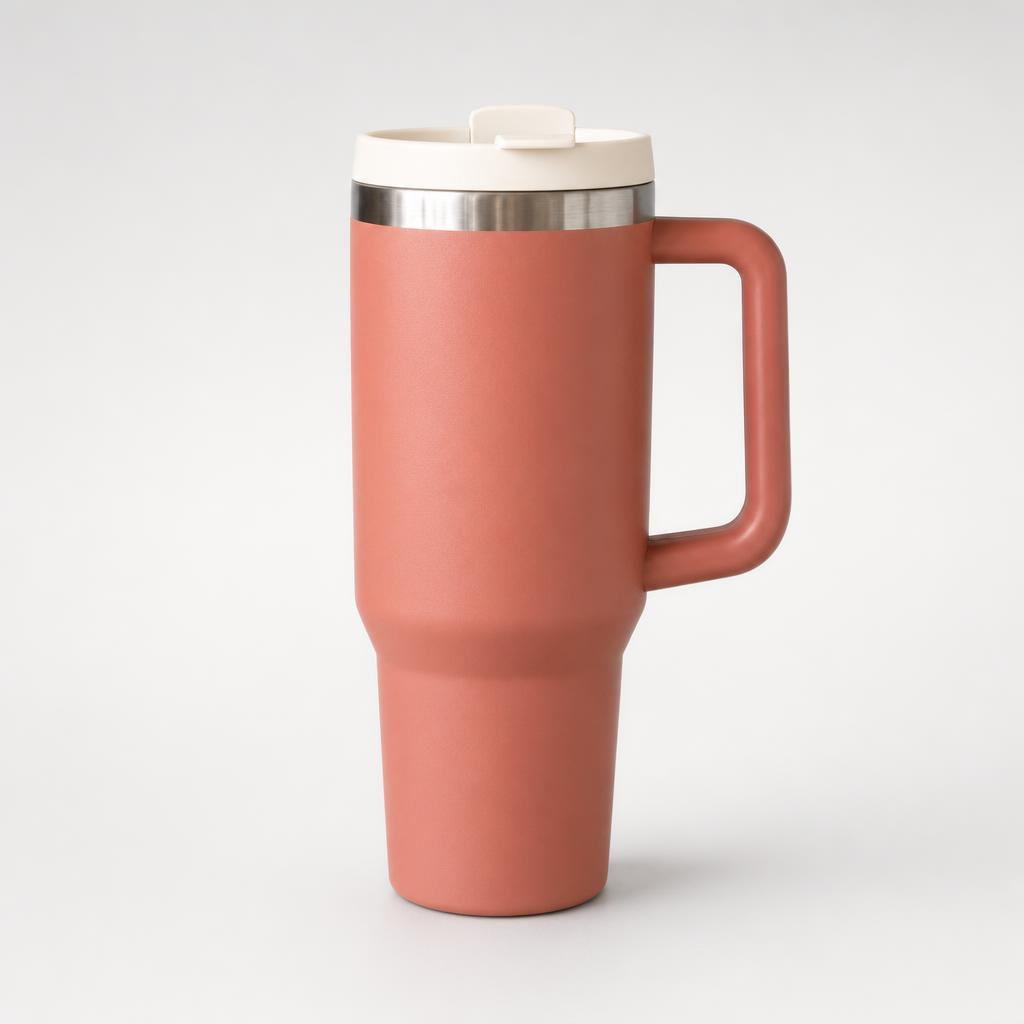
For a travel tumbler, shoppers may want to see the overall shape, handle, lid, and drinking opening. Write those questions before opening the AI product photo generator. Each planned view should reveal something that the previous image leaves unclear.
- Card view: identify the complete item immediately.
- Detail view: give the AI product photo generator one specific feature to emphasize.
Separate required views from nice extras
Make the front, a useful side, and an important detail your first priorities. Add a lifestyle scene only after those needs are covered. The AI product photo generator should help fill gaps in the gallery, not produce several decorative versions of the same view.
Name each intended image
Label views front, handle-side, lid-detail, and desk-context in your project notes. Associate each AI product photo generator task with one label. This prevents a promising alternative from being mistaken for a missing view when you review the set.
How to use
How to use the AI product photo generator
- Input
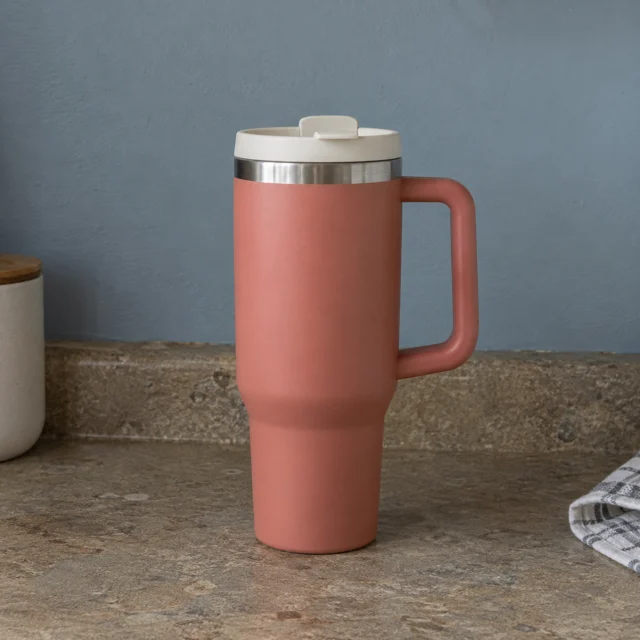 Reference image 1STEP 1
Select one SKU
Upload a real product view to the AI product photo generator and choose GPT Image 2 reference editing for that SKU.
- ModelGPT Image 21K1:1PromptOutputSTEP 2
Plan the view
Brief the AI product photo generator for one gallery position, using an appropriate source photograph rather than inventing unseen product angles.
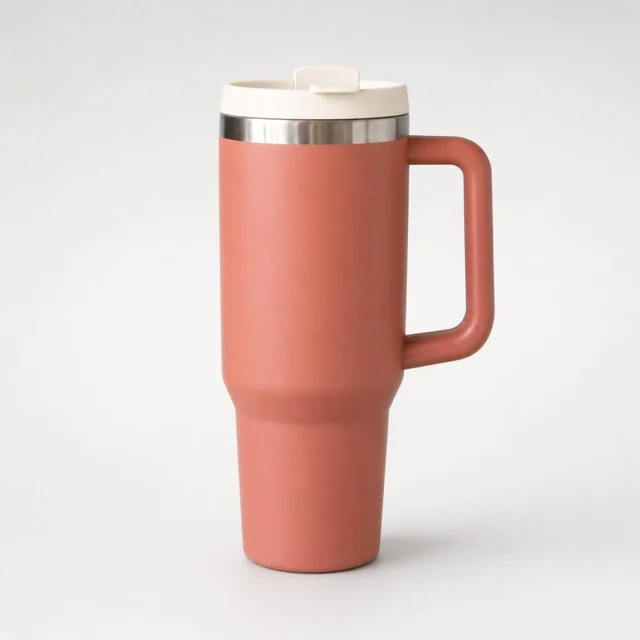 BeforeAfterSTEP 3
Create the card
Set square framing and 1K in the AI product photo generator, confirm the displayed credits, and generate the selected view.
- STEP 4
Build the gallery
Check AI product photo generator results against the source, then arrange approved overall, detail, and context images into a useful gallery.
Features
Match AI product photo generator references to each angle
A source image only shows what its camera could see. Feed the AI product photo generator the most relevant photograph for the view you actually need.
Photograph hidden sides instead of guessing
A front view does not establish the shape of a rear clasp or the writing underneath a lid. Use an actual photograph of that surface. An AI product photo generator may invent hidden construction when asked to rotate an item beyond the supplied evidence.
- Use a real side reference for an important side feature.
- Give the AI product photo generator a close source when small construction details matter.
Keep the exact variant in view
Choose the correct color, size, and packaging revision before starting. A different capacity can change a bottle's proportions. The AI product photo generator should work from the exact SKU you intend to show, not the nearest-looking item in a supplier folder.
Use separate requests for separate views
Write one view-specific instruction per task, using the appropriate source. Request a single finished photograph from the AI product photo generator rather than a collage of front, back, and side panels. Separate images are easier to inspect and arrange in a gallery.
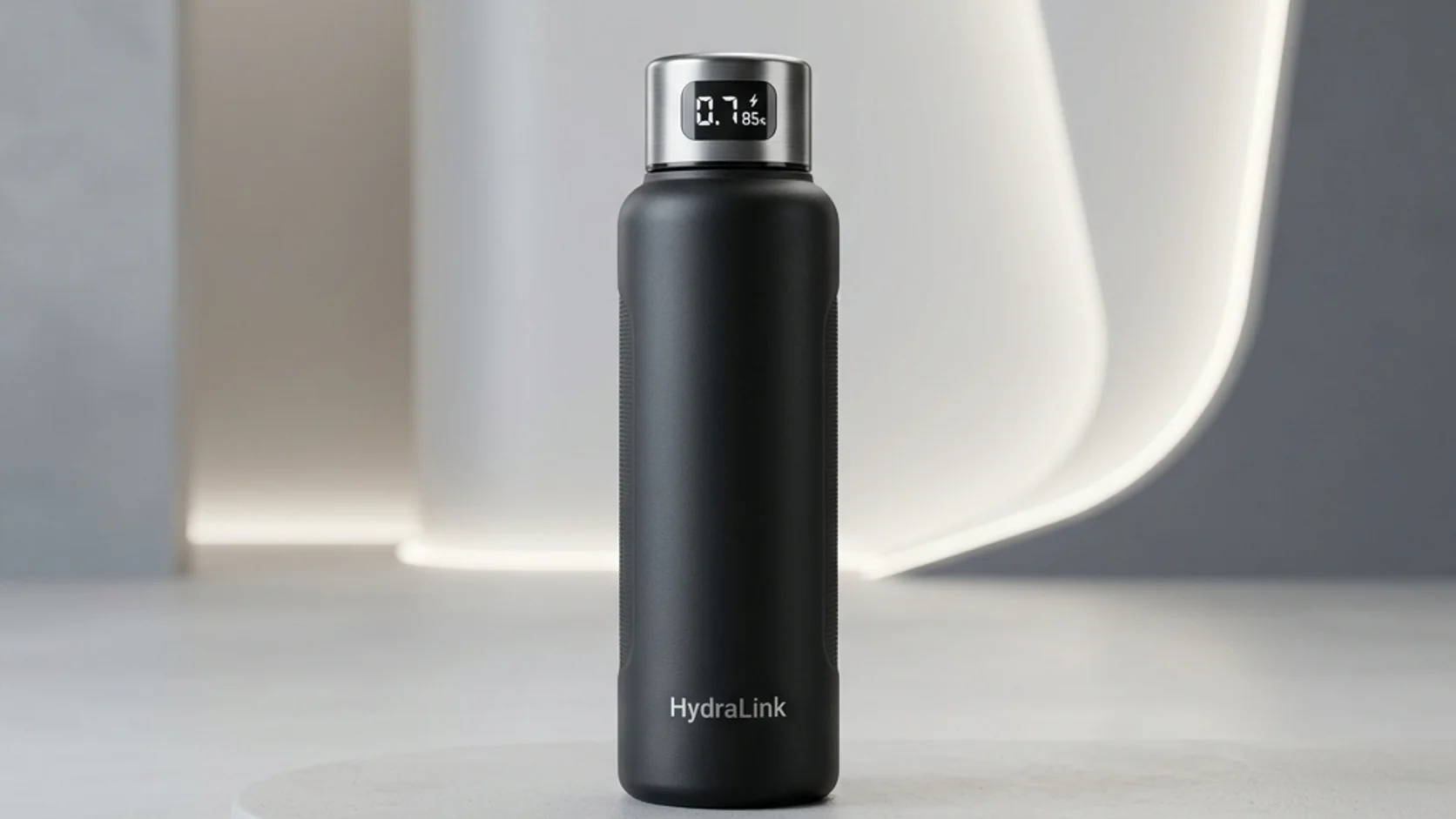
Build a readable card with the AI product photo generator
The first image needs to survive a small display size. Start the AI product photo generator with a clear square composition and a complete product silhouette.
Balance product size and breathing room
Make the item easy to recognize without pushing its handle, cap, or corners against the frame. Ask the AI product photo generator for comfortable margins. Check the result as a small card before deciding that fine detail compensates for awkward framing.
- Keep the complete item visible in the opening picture.
- Use the AI product photo generator to simplify distractions around its outline.
Choose a stable visual baseline
For an upright item, place the base at a consistent height and keep the camera level unless another view is necessary. A stable AI product photo generator composition helps a later side image feel like the same object rather than a different-sized product.
Keep the first frame literal
Avoid adding a second item merely to balance the composition when the offer contains one. The AI product photo generator should not turn a single tumbler into a pair. Use background space or a subtle shadow for balance instead of changing the apparent quantity.
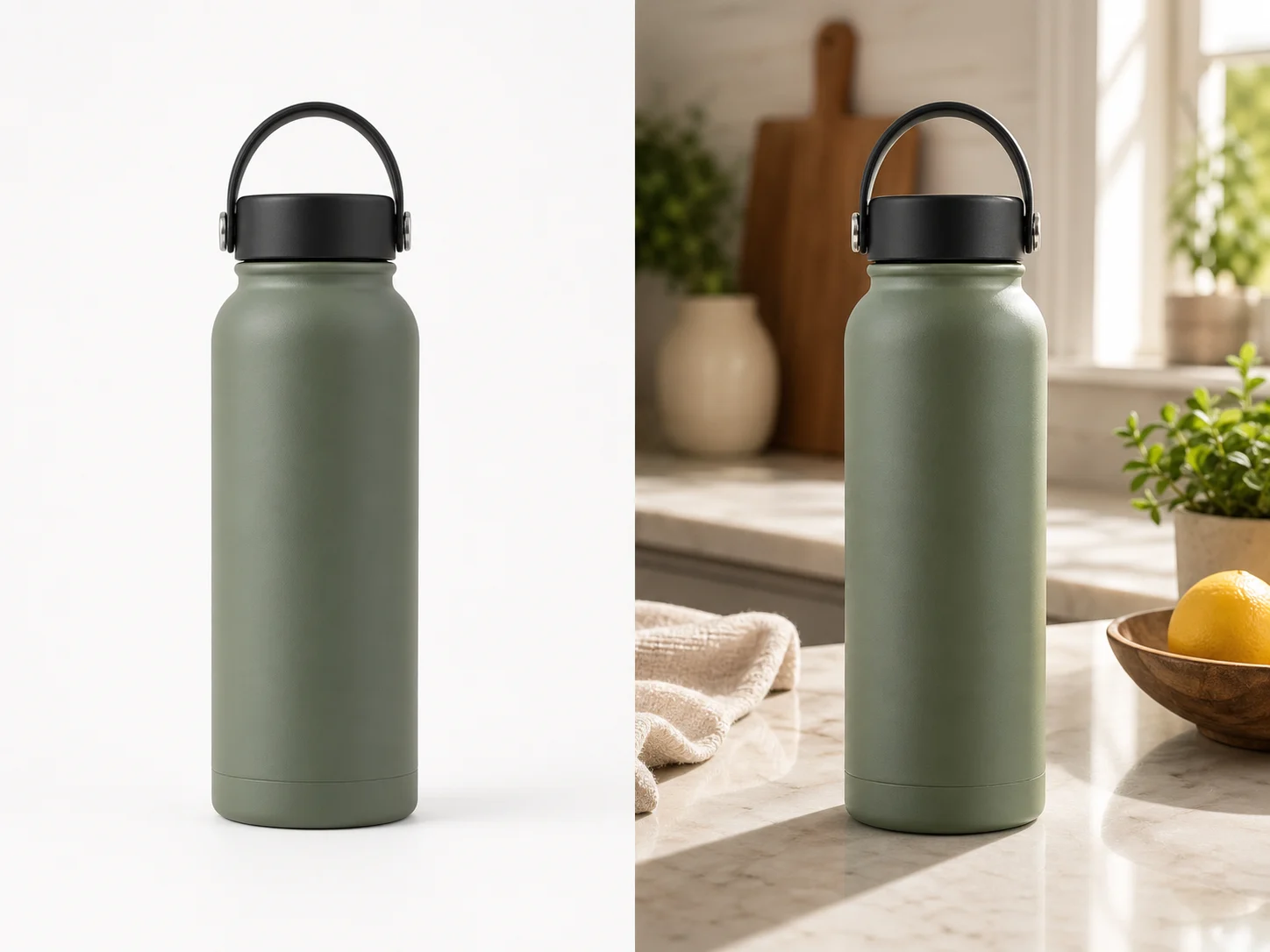
Arrange a gallery that answers new questions
Build the sequence around understanding, not visual novelty. An AI product photo generator can explore supporting scenes while real reference details anchor the gallery.
Move from overall shape to construction
Follow the opening card with a view that reveals depth, then a focused feature photograph. For a mug, show the handle connection before a close glaze study. Brief the AI product photo generator so the sequence moves from recognition toward useful inspection.
- Remove near-duplicates that do not reveal another feature.
- Give each AI product photo generator image a distinct place in the sequence.
Make details specific and verifiable
A close view should show the actual seam, closure, texture, or control. It should not invent internal mechanisms. Compare AI product photo generator details with a real close photograph, especially when the image might influence a buyer's expectations about construction.
Add context after the essentials
A tumbler beside a notebook can suggest everyday placement without overwhelming the product. Keep contextual AI product photo generator scenes simple. Do not use an invented hand or desk arrangement as proof of exact dimensions, capacity, or compatibility with another object.
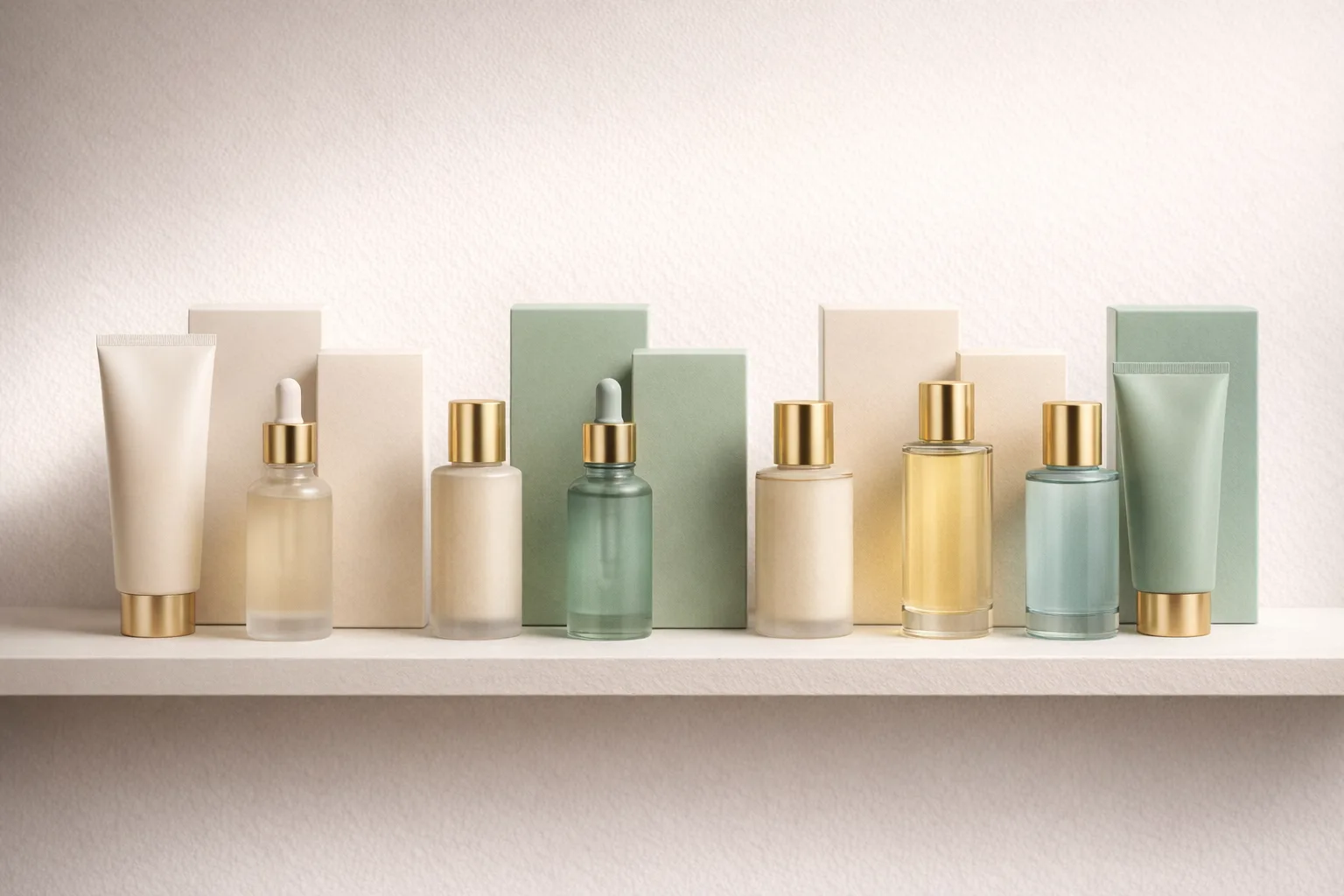
Work through the AI product photo generator view by view
Start with the most important missing picture. Use the AI product photo generator to test that view before investing attention in the entire gallery.
Select the source and framing
Upload the real product image for the planned view. Choose GPT Image 2 reference editing at 1:1, 1K, and one output. Tell the AI product photo generator the camera direction, the desired background, and which visible features deserve particular attention.
- Describe one complete photograph, not a multi-panel contact sheet.
- Confirm the selected product reference before submitting.
Set resolution and output count
The AI product photo generator supports other ratios, 1K, 2K, or 4K, and one to four outputs. Several outputs are candidates from a request, not a guaranteed set of different angles. Check the displayed credits for your actual configuration before submission.
Approve the view before moving on
Compare the result with its source and the approved opening image. If the handle or label has changed, revise that task before creating more views. The AI product photo generator does not guarantee exact product preservation, so errors should not become the gallery's reference point.
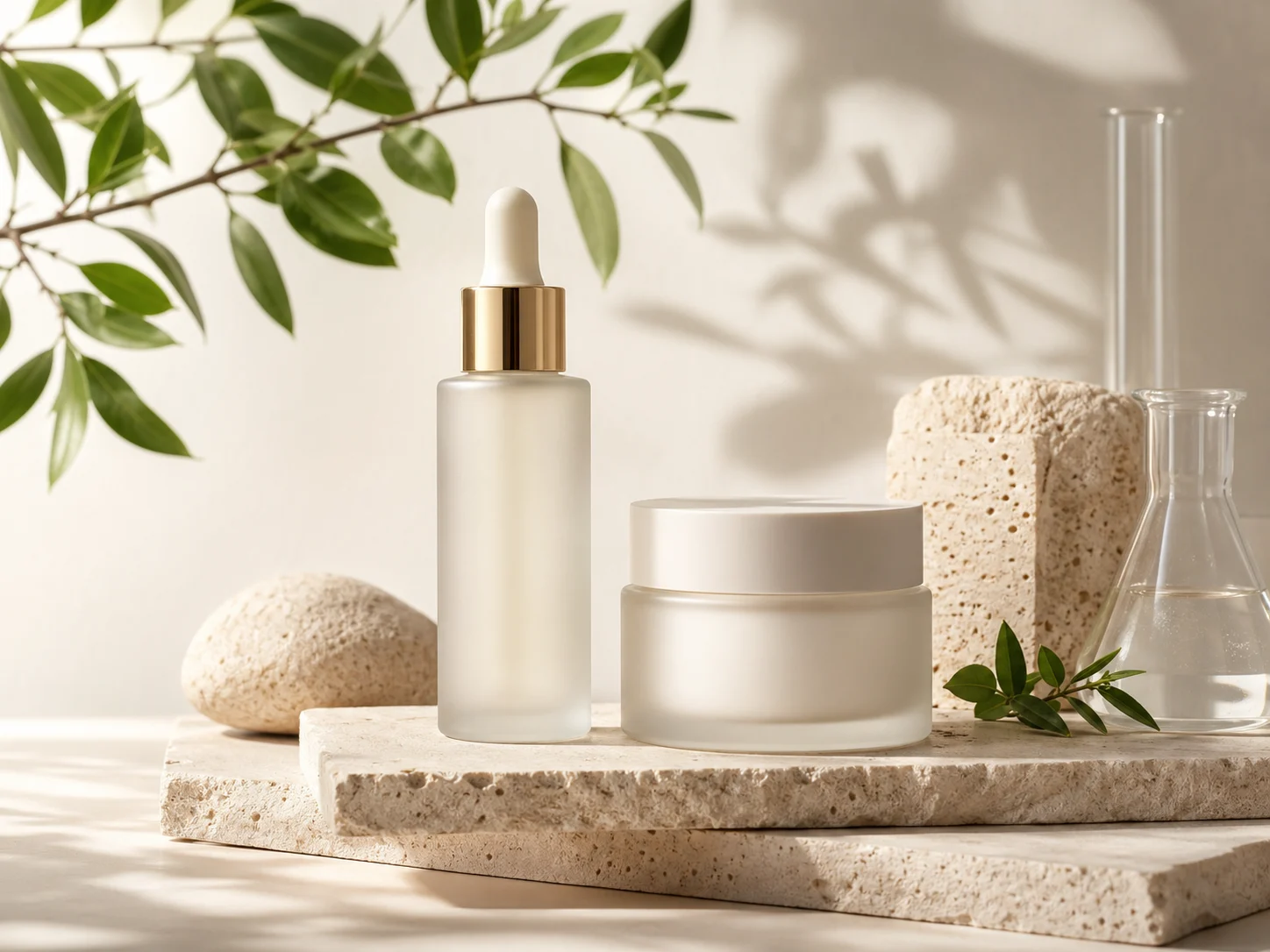
Review the whole AI product photo generator gallery
A gallery can fail even when its images look good separately. Compare AI product photo generator candidates as one description of one physical item.
Look for contradictory product details
Check that handles, seams, closures, and colors agree between views. A lid should not gain a different opening halfway through the gallery. Review AI product photo generator results against the original photographs rather than assuming the candidates validate one another.
- Compare product quantity and accessories in every frame.
- Reject AI product photo generator variants with inconsistent construction.
Keep gallery rhythm consistent
Compare background tone, product brightness, and the space around each item. A detail view can be closer without feeling unrelated. Use the AI product photo generator to correct the outlier that breaks the sequence, rather than restyling every approved photograph.
Choose the smallest complete set
Keep pictures that answer different questions and remove decorative repetitions. A focused AI product photo generator gallery should be easy to scan. Store approved files with their view labels so replacing one later does not disrupt the intended order.
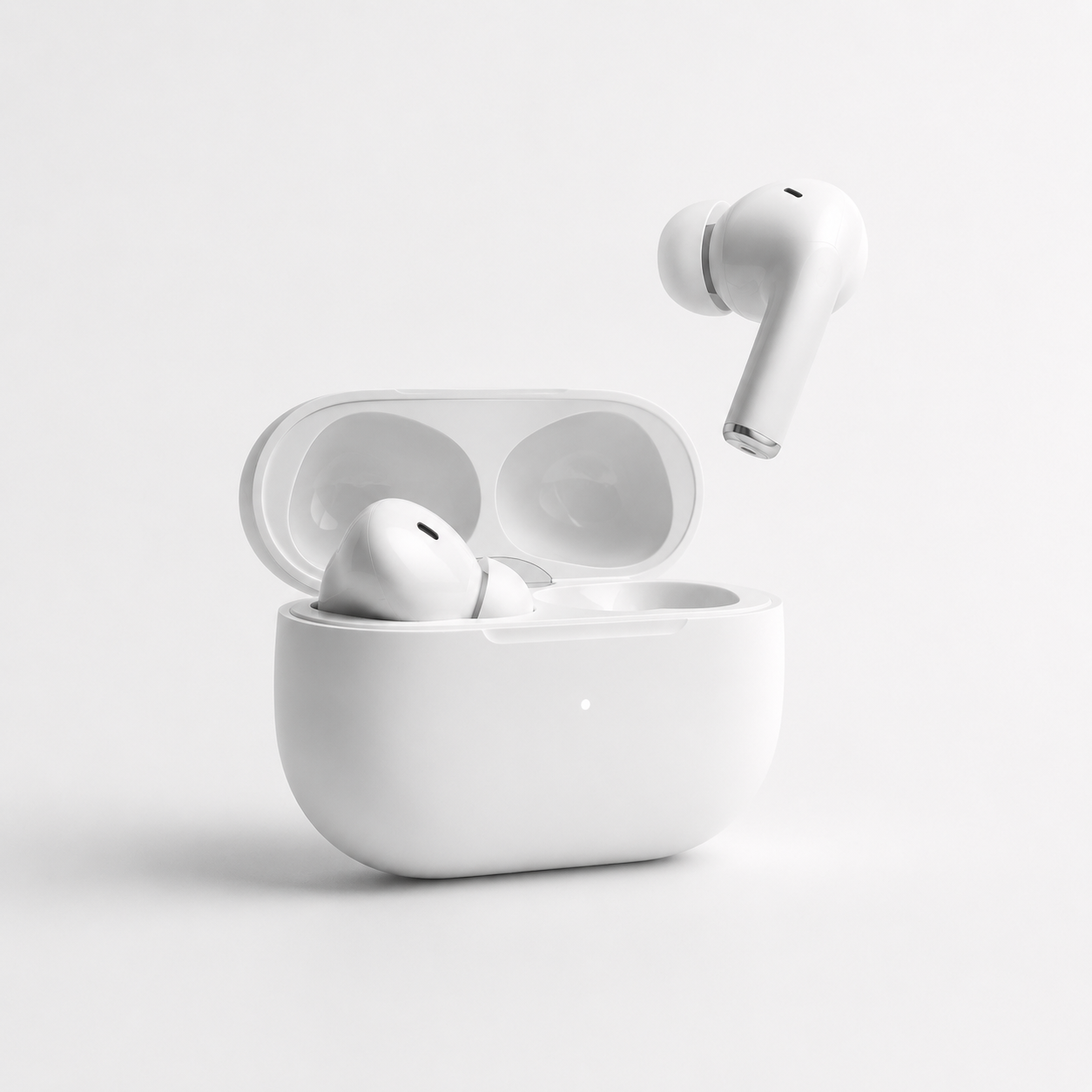
Example prompts
Square opening view for one tumbler
Edit the supplied photo of my actual travel tumbler into one square product photograph. Use the same visible view and keep its handle, lid, finish, color, and proportions as closely as possible. Center the complete tumbler on a quiet light-gray studio surface with comfortable margins, level framing, and a soft contact shadow. Show exactly one tumbler and only its attached parts. No additional angles, inset panels, props, captions, or invented features.
Handle detail from a real side reference
Use my uploaded side-view photograph of the actual tumbler. Create a single close product photograph emphasizing the handle and its connection to the body. Retain the visible construction, finish, and proportions as closely as possible. Use the same soft neutral lighting and light-gray surface as the opening product view. Keep enough of the body visible to understand the feature. Do not reconstruct unseen mechanisms, add labels, make a collage, or invent accessories.
User reviews
EveryGen AI video creator feedback.
EveryGen AI creator reviews

I made a full character PV for my game with MiniMax H3 in one afternoon. The menu UI stayed readable in every frame and the character never went off-model. That used to cost me a contractor and three weeks.

We tested every AI video generator on the market for stylized work. H3 is the only one that held our anime style across cuts. We now use it for pitch reels and animatics on every project.

I uploaded four product photos and got a listing video with music and a voiceover the same day. My click-through rate on the new listings is up 38%. H3 even got the label text on my packaging right.

I ship five vertical videos a week for three brands. MiniMax H3 gets me from brief to draft in under an hour, with sound already synced. My old workflow needed a videographer and two review rounds.

The editing side is what sold me. A client wanted the background of an interview changed — I typed one sentence into MiniMax H3 and the lighting on the subject matched the new scene automatically.

I previsualized my entire short film in MiniMax H3 before we shot a single frame. Rack focus, match cuts, even the title cards — it understands director language, not just keywords.
EveryGen AI · MiniMax H3 Max Pricing and Credit Plans
Cancel anytime
Lite
50% off0.025 / credit
Billed $ yearly179· Save $179.8
Video Models


Image Models



- Includes MiniMax H3 and all premium models
- Up to 1 batch generation task
- Standard generation speed
- Standard generation success rate
- Standard customer support
- Commercial Use License
Standard
50% off0.017 / credit
Billed $ yearly299· Save $299.8
Video Models
Image Models
- Includes MiniMax H3 and all premium models
- Up to 4 batch generation tasks
- Priority processing speed
- High generation success rate
- Priority customer support
- Commercial Use License
Pro
50% off0.014 / credit
Billed $ yearly599· Save $599.8
Video Models
Image Models
- Includes MiniMax H3 and all premium models
- Up to 10 batch generation tasks
- Fastest generation speed
- High generation success rate
- Dedicated account manager
- Commercial Use License
Max
50% off0.012 / credit
Billed $ yearly1,199· Save $1,199.8
Video Models
Image Models
- Includes MiniMax H3 and all premium models
- Up to 10 batch generation tasks
- Fastest generation speed
- High generation success rate
- Dedicated account manager
- Commercial Use License
Pay safely and securely with























FAQ
Frequently asked questions
Can the AI product photo generator make every angle from one image?
It can explore a requested view, but unseen details may be invented. Give the AI product photo generator a real source for important sides, backs, or undersides. Use additional photographs when an angle needs to show accurate construction rather than a plausible interpretation.
How many views should I plan with the AI product photo generator?
Choose views around the product's questions, not a fixed count. Start with overall shape, another useful angle, and a detail. Add AI product photo generator scenes only when they explain something else.
Are four outputs four different product angles?
No. The AI product photo generator can return one to four candidates according to your configuration, but this is not a guaranteed angle sequence. Plan different views as distinct tasks with suitable references and instructions, then review the resulting gallery together.
Should the AI product photo generator use square images throughout?
Square is the starting configuration, not a universal requirement. Choose the AI product photo generator ratio for your intended gallery. Keep related views consistent and preview the actual card and detail layouts before finalizing crops.
Can I show a different color without another reference?
You can request a change, but the AI product photo generator cannot verify the real variant's finish or shade. Use a photograph of the actual color whenever accuracy matters. Do not let a convincing recolor stand in for checking the item you sell.
CTA
Plan your next AI product photo generator view
Choose the question your gallery still needs to answer, upload the right reference, and create one focused photograph. Use the AI product photo generator to complete the picture list without repeating the same view.
Create the next product view