 EveryGen AI
EveryGen AI · HappyHorse 1.1 for Expressive Scenes in More Frame Shapes
Build a scene around the space it needs. HappyHorse 1.1 on H3 Max turns a written idea or one starting image into a short video, with nine text-mode aspect ratios for compositions that deserve more than an automatic crop.
Video workspace
The wooden elevator opens
28/33View prompt
Five-second continuous frontal shot of closed wooden elevator doors opening slowly to reveal one adult woman standing inside. Keep the camera fixed at eye level and the woman relaxed, facing forward. Preserve a simple, balanced composition with warm wood grain and soft interior light. End with the doors open and the woman still standing.
Introduction
What Is HappyHorse 1.1?
HappyHorse 1.1 is Alibaba’s video generation model for creating moving scenes from descriptions or animating an image that supplies the opening frame.
A model with two visual starting points
The official Happy Horse 1.1 services separate text-to-video from image-to-video. HappyHorse 1.1 can therefore begin with an imagined setting or with a picture whose appearance already matters. Describe an original scene when exploration is the goal; supply an image when the subject, clothing, environment, or product arrangement should guide the first impression.
HappyHorse 1.1 on H3 Max
Choose text or image mode, 720p or 1080p output, and an integer duration from 3 to 15 seconds. A seed is available for organizing comparisons. HappyHorse 1.1 offers nine aspect ratios in text mode, while image mode uses one picture. These options support deliberate shot development without requiring a collection of references.
How to use
How to Create with HappyHorse 1.1
- PromptSTEP 1
Choose your starting point
Select HappyHorse 1.1 and choose text or image mode. Write the scene from scratch, or add one picture that already shows the subject and opening composition you need.
- ModelHappyHorse 1.11080p16:95sPromptSTEP 2
Describe one useful movement
Give HappyHorse 1.1 a main action, a camera direction, and a finishing state. In image mode, emphasize the change while identifying the important visual details that should remain recognizable.
- First frameLast frame
 0.0s
0.0s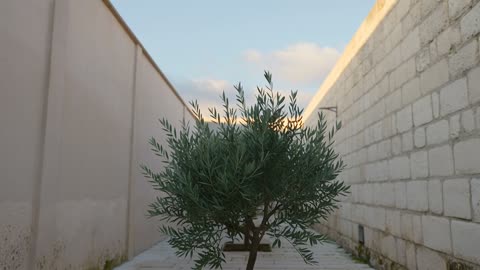 2.6s
2.6s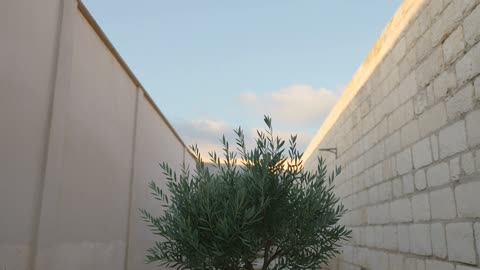 4.6sSTEP 3
Set the output
Choose 720p or 1080p and a duration from 3 to 15 seconds. For HappyHorse 1.1 text generation, select the aspect ratio. Record a seed when organizing comparisons, then check credits.
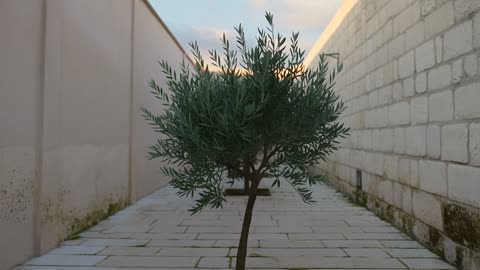
- Text mode: A tall, narrow courtyard with pale stone walls and a small olive tree near the bottom of the composition. The camera rises slowly to reveal a strip of open sky. Gentle morning light, restrained leaf movement, one continuous shot, no people, signs, or scene cuts.DownloadSTEP 4
Generate and evaluate
Submit the HappyHorse 1.1 request after checking the configuration. Watch the complete clip, inspect important details, and revise one issue at a time before selecting footage for your project.
Features
Compose HappyHorse 1.1 Across Nine Text-Mode Ratios
An unusually wide or tall scene changes where attention travels. HappyHorse 1.1 lets the initial composition follow that intention before movement begins.
Choose width, height, or a balanced frame
The text-mode choices are 16:9, 9:16, 1:1, 4:3, 3:4, 21:9, 9:21, 5:4, and 4:5. Use HappyHorse 1.1 to explore a narrow architectural opening, a broad landscape, or a compact editorial composition. Place the subject deliberately within that space rather than asking every shape to accommodate an identical arrangement.
Make the edges part of the direction
A wider frame can let a figure enter gradually; a tall frame can make a suspended object the center of attention. Tell HappyHorse 1.1 which edges should remain quiet and where movement may occur. Reserve clear space for any text you plan to add later, and inspect the complete frame throughout playback.
Give HappyHorse 1.1 a Recognizable Opening Image
A starting picture establishes visual priorities that words might leave open. With HappyHorse 1.1, the next decision is what should move.
Prepare one image with room for motion
Choose a sharp source with the intended subject clearly visible. Leave space for a sleeve to turn, leaves to sway, or the camera to approach. HappyHorse 1.1 uses a single image here, not a multi-image reference board. Check the crop before uploading, particularly when an important hand, handle, or silhouette sits near an edge.
Direct HappyHorse 1.1 beyond the first frame
Describe the change rather than repeating every detail already present in the picture. A curtain might lift slightly while the chair beneath it remains still. HappyHorse 1.1 needs an intelligible relationship between the visible arrangement and the requested motion. Review identity, shape, and lighting through the clip; an accurate opening is not a guarantee about later frames.
Pace a Complete HappyHorse 1.1 Moment
Choose from 3 through 15 seconds in whole-second steps. HappyHorse 1.1 can then be directed around a clear event rather than an overloaded sequence.
Use a short beat for an immediate impression
For a three-second insert, make the point visible from the beginning: a glass catching light, a doorway opening slightly, or fabric settling. Ask HappyHorse 1.1 for one readable development. An elaborate entrance followed by several actions may leave the essential moment unfinished, even when the individual frames look appealing.
Let a longer scene breathe
A longer clip can establish a setting, carry a measured movement, and finish with a pause. Plan where that pause belongs before requesting HappyHorse 1.1. For example, a slow lateral move might reveal a window and settle on the view beyond. Judge whether the arrival feels intentional instead of accepting motion that simply stops.
Review HappyHorse 1.1 at the Intended Output Size
Output size and visual accuracy answer different questions. HappyHorse 1.1 provides 720p and 1080p choices, while your review decides whether the scene works.
Check structure before fine texture
Look first at the subject’s proportions, contact with the ground, and position within the scene. Then examine fine details at the chosen output size. A HappyHorse 1.1 clip with crisp texture still needs sensible motion. Pay attention to anything that identifies a real object, especially labels, seams, handles, or repeated decorative elements.
Watch the movement at normal speed
Pause to inspect difficult frames, but also watch uninterrupted playback. HappyHorse 1.1 should be assessed for sudden jumps, drifting scale, and distracting background changes that isolated stills can hide. Compare the beginning, midpoint, and ending against your original intention. Keep the strongest part of the brief when revising rather than adding several competing instructions.
Build a Clear HappyHorse 1.1 Comparison
An organized comparison makes revisions easier to explain. Keep the HappyHorse 1.1 scene, duration, and output settings consistent while testing one creative decision.
Record the HappyHorse 1.1 seed
Save the seed alongside the prompt and any source image. It is a useful reference for comparing requests, not a promise of pixel-identical results. When testing HappyHorse 1.1, change one element such as camera direction or the scale of the subject’s movement. Otherwise, a better result may be difficult to attribute to a particular choice.
Approve a shot for its actual purpose
Decide what counts as success before another request: a readable silhouette, a calmer camera, or a clean ending. Review the credits shown for HappyHorse 1.1 before generating. Keep the selected clip together with its brief and settings so later edits begin from a known decision, not from an approximate memory of what worked.
Example prompts
A narrow architectural reveal
Text mode: A tall, narrow courtyard with pale stone walls and a small olive tree near the bottom of the composition. The camera rises slowly to reveal a strip of open sky. Gentle morning light, restrained leaf movement, one continuous shot, no people, signs, or scene cuts.
Fabric moving at a window
Image mode: Use the uploaded picture as the opening composition. A light curtain lifts gently beside the seated subject and settles again. Keep the subject’s appearance, clothing, and position recognizable. Use a restrained camera approach, consistent daylight, and no new accessories or text.
A wide display in evening light
Text mode: A long wooden display table holds three unbranded ceramic vessels with generous empty space between them. Move slowly from left to right as evening light crosses the surfaces. Keep the vessels stationary and their proportions stable. End on the smallest vessel with a brief pause.
User reviews
EveryGen AI video creator feedback.
EveryGen AI creator reviews

I made a full character PV for my game with MiniMax H3 in one afternoon. The menu UI stayed readable in every frame and the character never went off-model. That used to cost me a contractor and three weeks.

We tested every AI video generator on the market for stylized work. H3 is the only one that held our anime style across cuts. We now use it for pitch reels and animatics on every project.

I uploaded four product photos and got a listing video with music and a voiceover the same day. My click-through rate on the new listings is up 38%. H3 even got the label text on my packaging right.

I ship five vertical videos a week for three brands. MiniMax H3 gets me from brief to draft in under an hour, with sound already synced. My old workflow needed a videographer and two review rounds.

The editing side is what sold me. A client wanted the background of an interview changed — I typed one sentence into MiniMax H3 and the lighting on the subject matched the new scene automatically.

I previsualized my entire short film in MiniMax H3 before we shot a single frame. Rack focus, match cuts, even the title cards — it understands director language, not just keywords.
EveryGen AI · MiniMax H3 Max Pricing and Credit Plans
Cancel anytime
Lite
50% off0.025 / credit
Billed $ yearly179· Save $179.8
Video Models


Image Models



- Includes MiniMax H3 and all premium models
- Up to 1 batch generation task
- Standard generation speed
- Standard generation success rate
- Standard customer support
- Commercial Use License
Standard
50% off0.017 / credit
Billed $ yearly299· Save $299.8
Video Models
Image Models
- Includes MiniMax H3 and all premium models
- Up to 4 batch generation tasks
- Priority processing speed
- High generation success rate
- Priority customer support
- Commercial Use License
Pro
50% off0.014 / credit
Billed $ yearly599· Save $599.8
Video Models
Image Models
- Includes MiniMax H3 and all premium models
- Up to 10 batch generation tasks
- Fastest generation speed
- High generation success rate
- Dedicated account manager
- Commercial Use License
Max
50% off0.012 / credit
Billed $ yearly1,199· Save $1,199.8
Video Models
Image Models
- Includes MiniMax H3 and all premium models
- Up to 10 batch generation tasks
- Fastest generation speed
- High generation success rate
- Dedicated account manager
- Commercial Use License
Pay safely and securely with























FAQ
Frequently asked questions
What can I create with HappyHorse 1.1?
Develop short visual scenes from text or animate a single image. Useful briefs include an editorial moment, an environmental reveal, or a restrained product movement. Results need review against the subject and action you intended.
Which sizes does HappyHorse 1.1 support here?
The H3 Max workspace provides 720p and 1080p. Choose the size that suits your planned use and examine the resulting detail. HappyHorse 1.1 output size does not certify object accuracy or eliminate the need for review.
How long can a HappyHorse 1.1 clip be?
Choose any integer duration from 3 to 15 seconds. Keep the action proportionate to that time. A short clip can hold one visual beat, while a longer selection allows a more gradual development and finish.
Can HappyHorse 1.1 use several reference pictures?
This page supports one image in image mode. It does not provide a multi-image or multi-person reference workflow. Prepare a single coherent opening composition rather than relying on separate uploads to establish different subjects.
Are all nine HappyHorse 1.1 ratios available in image mode?
The nine listed aspect ratios describe text generation. For an image-based request, prepare the source around the intended composition. Do not assume that text-mode layout choices establish identical controls for a supplied photograph.
Does HappyHorse 1.1 provide audio controls on H3 Max?
The current HappyHorse 1.1 workspace does not expose an audio switch or audio-reference input. Plan this workflow around visual generation rather than a promised audio feature or an uploaded recording.
How should I compare HappyHorse 1.1 revisions?
Keep the source, settings, and seed recorded, then change one instruction. Evaluate the full scene rather than a single attractive frame. Check the displayed credits before each request; the page does not promise an exact turnaround time.
CTA
Shape Your Next HappyHorse 1.1 Scene
Choose a visual starting point and one meaningful change. Set up HappyHorse 1.1, review the credits, and judge the complete result.
Open HappyHorse 1.1