 EveryGen AI
EveryGen AI · Seedream 5.0 Pro for Creating, Refining, and Separating Images
Develop an image beyond its first appearance. Seedream 5.0 Pro on H3 Max supports new visual concepts, reference-guided edits, and a separate layer decomposition workflow. Start in text mode, then use Seedream 5.0 Pro for the next task your design actually needs, with settings and credits visible in the workspace.
Image workspace
Sample Image
 1 / 30
Introduction
What Is Seedream 5.0 Pro?
Seedream 5.0 Pro is ByteDance's image model with distinct fal interfaces for text generation, reference editing, and layer separation.
Three uses with different starting points
Seedream 5.0 Pro can create a picture from a written brief, revise supplied imagery, or decompose an existing image into a base and separate layers. These are different operations rather than three automatic stages of every request. Seedream 5.0 Pro starts in text mode on this page, leaving you free to develop the composition before choosing an editing or separation task.
A defined workspace for each operation
Standard Seedream 5.0 Pro creation and editing on H3 Max use 1K or 2K JPEG output, with up to six outputs and up to ten reference images for editing. The independent layer workflow takes one image and has its own size choices. Seedream 5.0 Pro therefore needs the appropriate mode selected before the input, output expectations, and displayed credits can be reviewed together.

How to use
How to Work with Seedream 5.0 Pro
- PromptSTEP 1
Select the appropriate image task
Open Seedream 5.0 Pro on H3 Max. Begin in text mode, switch to editing for supplied references, or choose the separate layer workflow for one existing image.
- ModelSeedream 5.0 Pro2K1:1PromptSTEP 2
Explain the visual priorities
Give Seedream 5.0 Pro a clear subject and composition. For edits, name each reference role. For decomposition, identify the elements you need separated.
- Detail
 STEP 3
Review the operation-specific settings
Choose the available size and output options for that workflow. Check the uploaded inputs and displayed credits, including the stated settlement basis for layers.
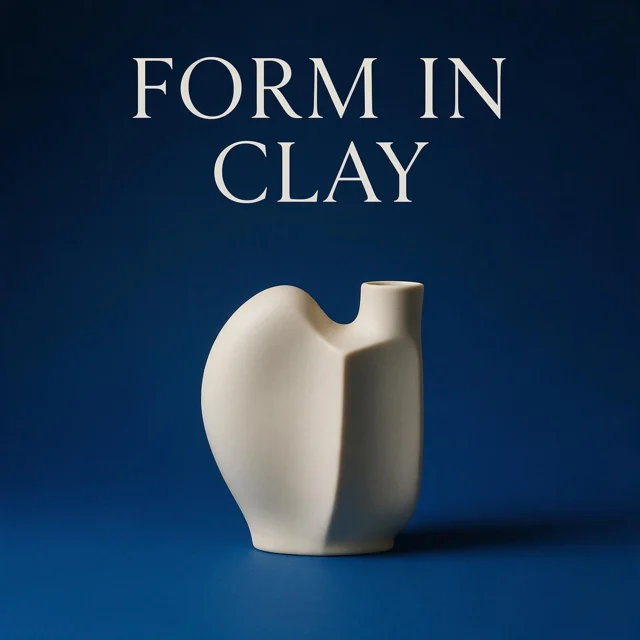
- Create an exhibition poster concept for a fictional ceramics show. Place one sculptural ivory vase in the lower center against a deep blue background. Include only the short heading "FORM IN CLAY" near the top in large, clearly separated letters. Use a restrained editorial layout with generous margins and soft side lighting. No dates, venue names, logos, decorative badges, or additional text.DownloadSTEP 4
Inspect the complete result
Check Seedream 5.0 Pro output for lettering, proportions, contact shadows, and boundaries. Keep useful candidates, and address any remaining problem with a focused revision.
Features
Shape Visual Hierarchy with Seedream 5.0 Pro
Seedream 5.0 Pro is positioned for structured visual work, including detailed layouts and text that belongs within the composition.
Organize the reading order
Give the image a clear route for the eye: a main object, a short heading, and a smaller supporting detail. Ask Seedream 5.0 Pro for explicit placement and enough separation between those elements. When directing Seedream 5.0 Pro, specify which element should dominate rather than asking everything to be prominent. Review the arrangement at the size where the audience will actually encounter it.
Keep important wording short and inspectable
Write the exact phrase you want visible and describe its relationship to the scene. A short title on a fictional exhibition poster is easier to review than a page of dense copy. Treat Seedream 5.0 Pro lettering as part of the image draft: inspect spelling, alignment, and accidental extra characters. Add essential final wording separately when exact typographic control matters more than visual exploration.

Guide an Edit with Seedream 5.0 Pro References
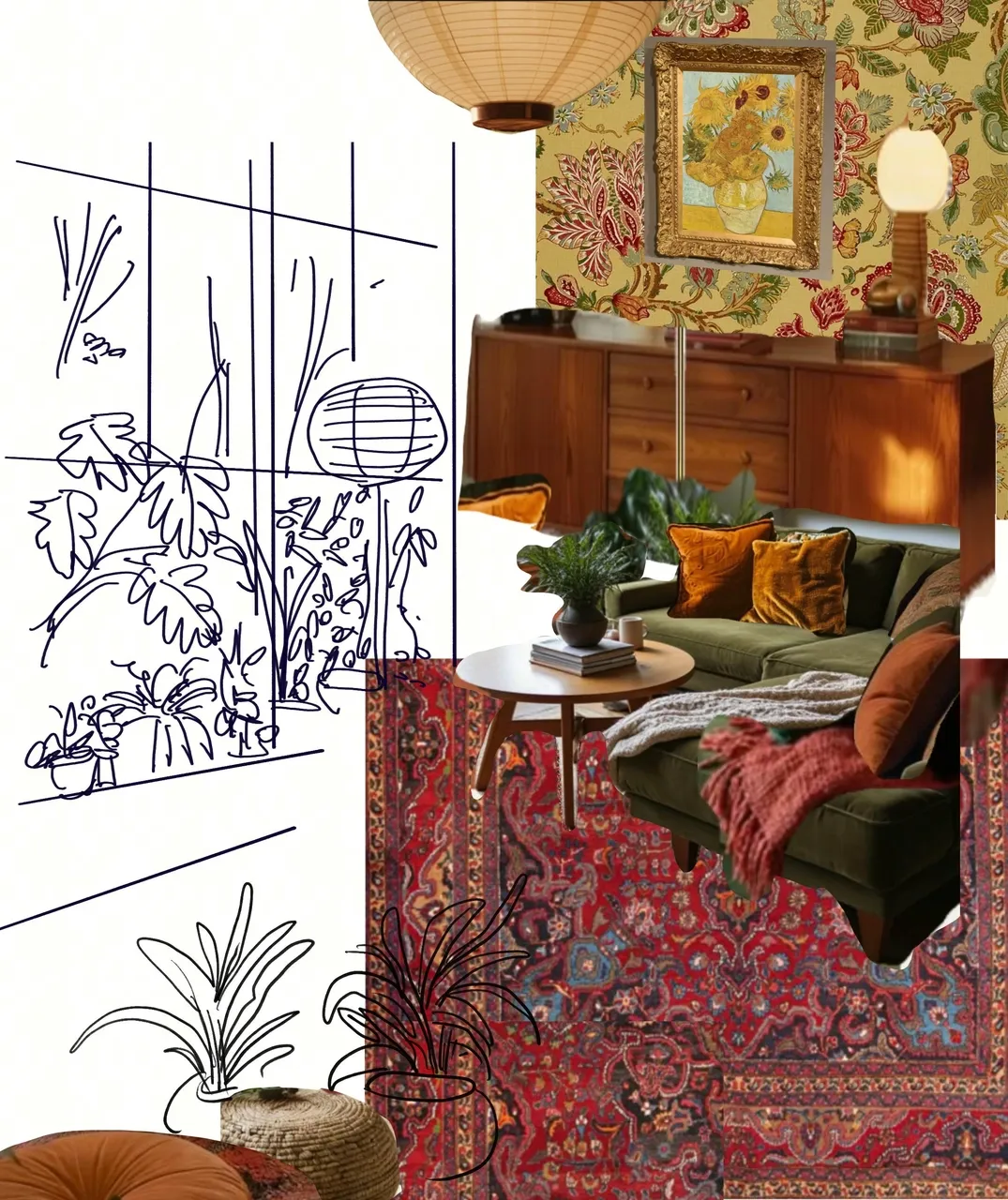
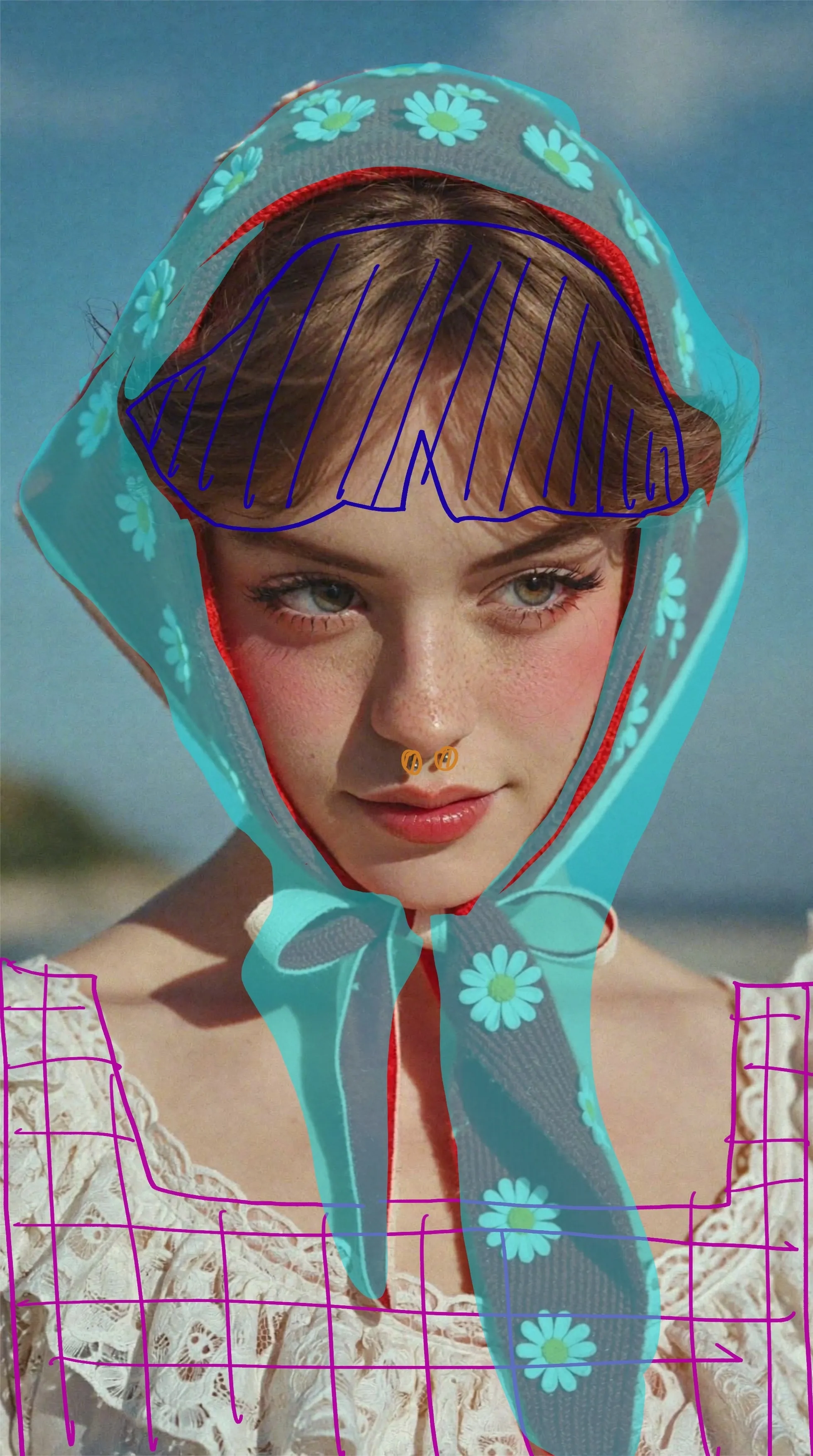
Use Seedream 5.0 Pro references deliberately, assigning each uploaded image a role instead of treating the collection as an unspecified mood board.
Separate subject, setting, and appearance
One image might define the main object, another the setting, and a third the desired material finish. Tell Seedream 5.0 Pro which reference serves each role and which details should not transfer. Give Seedream 5.0 Pro a clear priority when references disagree. A concise explanation helps make the intended edit reviewable, even though the result may still reinterpret small shapes or surface details.
Use only the references the request needs
More inputs can introduce contradictions as well as guidance. Remove near duplicates and images that do not contribute to the change. The Seedream 5.0 Pro workspace allows up to ten editing references, and additional reference costs are reflected in its displayed credits. Check that amount after choosing the inputs. Compare the result with the reference that defines each important detail, not just the most attractive source.
Compare a Focused Set with Seedream 5.0 Pro
Seedream 5.0 Pro offers a bounded output selection for ordinary generation and editing, keeping the requested image set explicit.
Choose the number for a reason
You can request up to six standard outputs in the H3 Max workspace. Use Seedream 5.0 Pro to compare a manageable group when the brief leaves room for interpretation, rather than requesting the maximum automatically. Before submitting Seedream 5.0 Pro, decide what will separate a useful candidate from a merely different one: clearer hierarchy, a stronger silhouette, or a better balance of empty space.
Review JPEG output in context
Standard creation and editing deliver JPEG images at your selected 1K or 2K setting. Inspect Seedream 5.0 Pro results inside their intended layout, then examine close details that matter to the project. A larger setting does not fix an inaccurate label or an awkward composition. Choose based on the visible task and retain a clear record of the brief used for the selected image.

Separate Existing Artwork with Seedream 5.0 Pro
The Seedream 5.0 Pro layer decomposition workflow is independent of ordinary image creation and begins with one uploaded image.
Turn a composition into separate elements
Use Seedream 5.0 Pro layer decomposition when you need parts of an existing composition separated for further design work. It returns a base image and independently editable layers rather than simply another flat JPEG variation. Ask Seedream 5.0 Pro to separate meaningful elements, then inspect their edges and overlap. This is generated separation, not a promise to recover the original hidden design file or perfect masks.
Choose layer size and review the result
This workflow offers auto, 1K, 1.5K, and 2K output sizing. Seedream 5.0 Pro layer charges are settled according to the actual layers returned, so do not confuse the standard image output count with a guaranteed layer count. Review the workspace estimate and final usage. Check fine edges, partially hidden objects, and translucent areas before arranging the separated material in your preferred design application.

Finish the Visual Decision with Seedream 5.0 Pro
Seedream 5.0 Pro is most useful when the final review connects its visual detail to the purpose of the finished design.
Look at materials and contact points
Inspect where glass meets a table, where a handle joins a body, or where fabric folds around an edge. Ask Seedream 5.0 Pro for a specific adjustment when those relationships look inconsistent. A Seedream 5.0 Pro revision should solve the observed problem without introducing unnecessary new objects. For real merchandise, verify the final shape and finish against accurate product material rather than approving on atmosphere alone.
Hand off an image with clear intent
Before placing a Seedream 5.0 Pro result into a larger design, check the focal point, lettering, margins, and visible artifacts together. Keep ordinary image outputs separate from decomposition results so their intended uses remain clear. Record which composition was selected and what still needs manual finishing. That gives the next person a concrete visual decision instead of a folder of unexplained alternatives.
Example prompts
A compact exhibition concept
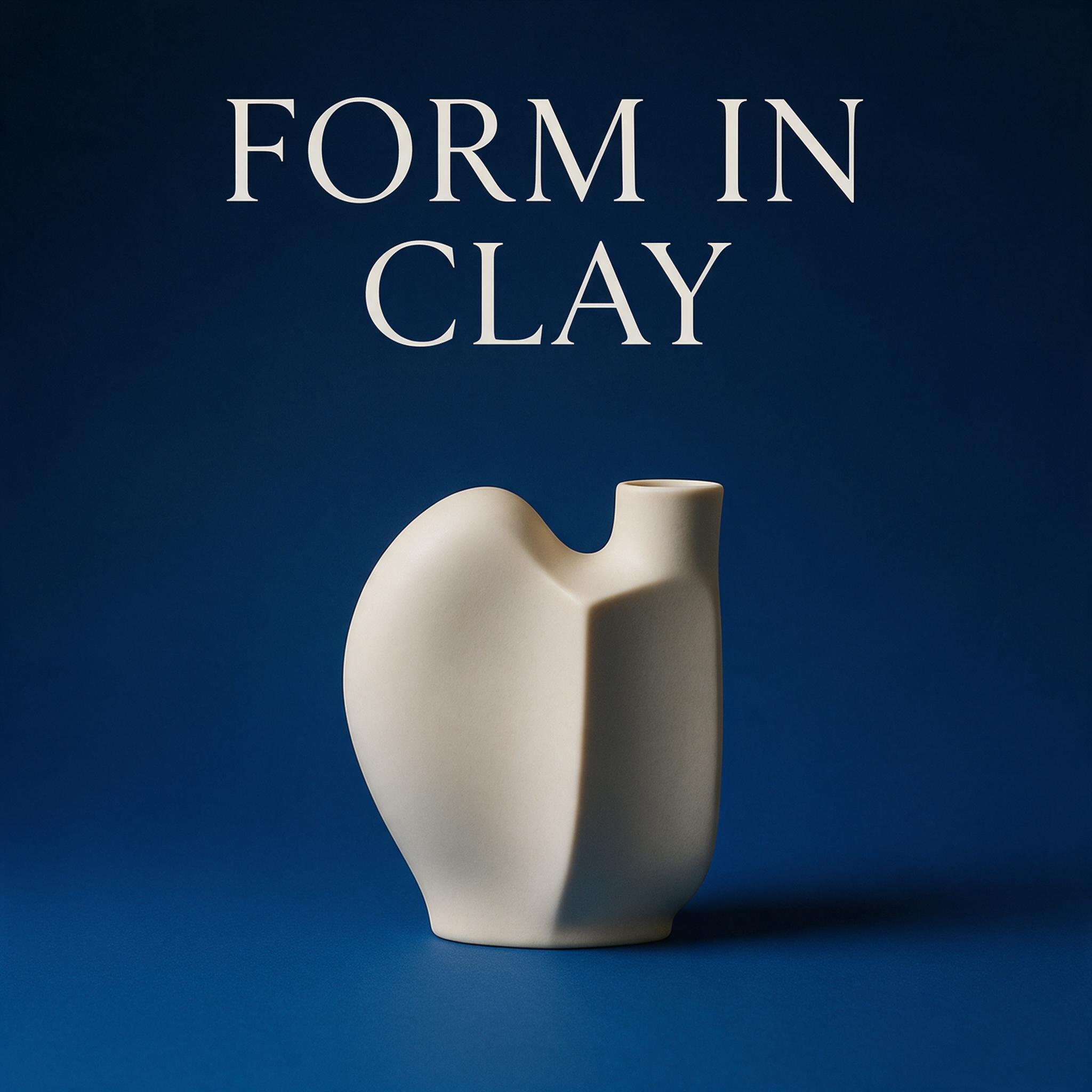
Create an exhibition poster concept for a fictional ceramics show. Place one sculptural ivory vase in the lower center against a deep blue background. Include only the short heading "FORM IN CLAY" near the top in large, clearly separated letters. Use a restrained editorial layout with generous margins and soft side lighting. No dates, venue names, logos, decorative badges, or additional text.
Reference-led material adjustment
Edit Image 1 as the base composition. Use Image 2 only as the reference for the matte clay surface finish, not for its shape, background, or lighting. Apply that finish to the main vessel in Image 1 while aiming to preserve its silhouette, handle, position, and contact shadow. Keep the surrounding scene unchanged. Do not add labels, lettering, or accessories.
Separate a composed image into layers
Decompose the uploaded composition into a base image and separate meaningful visual elements. Keep the main foreground object separate from supporting props and the background. Preserve the visible appearance and placement of each element as closely as possible. Pay particular attention to handles, narrow gaps, overlapping edges, and soft shadows. Do not introduce new objects or redesign the composition.
User reviews
EveryGen AI video creator feedback.
EveryGen AI creator reviews

I made a full character PV for my game with MiniMax H3 in one afternoon. The menu UI stayed readable in every frame and the character never went off-model. That used to cost me a contractor and three weeks.

We tested every AI video generator on the market for stylized work. H3 is the only one that held our anime style across cuts. We now use it for pitch reels and animatics on every project.

I uploaded four product photos and got a listing video with music and a voiceover the same day. My click-through rate on the new listings is up 38%. H3 even got the label text on my packaging right.

I ship five vertical videos a week for three brands. MiniMax H3 gets me from brief to draft in under an hour, with sound already synced. My old workflow needed a videographer and two review rounds.

The editing side is what sold me. A client wanted the background of an interview changed — I typed one sentence into MiniMax H3 and the lighting on the subject matched the new scene automatically.

I previsualized my entire short film in MiniMax H3 before we shot a single frame. Rack focus, match cuts, even the title cards — it understands director language, not just keywords.
EveryGen AI · MiniMax H3 Max Pricing and Credit Plans
Cancel anytime
Lite
50% off0.025 / credit
Billed $ yearly179· Save $179.8
Video Models


Image Models



- Includes MiniMax H3 and all premium models
- Up to 1 batch generation task
- Standard generation speed
- Standard generation success rate
- Standard customer support
- Commercial Use License
Standard
50% off0.017 / credit
Billed $ yearly299· Save $299.8
Video Models
Image Models
- Includes MiniMax H3 and all premium models
- Up to 4 batch generation tasks
- Priority processing speed
- High generation success rate
- Priority customer support
- Commercial Use License
Pro
50% off0.014 / credit
Billed $ yearly599· Save $599.8
Video Models
Image Models
- Includes MiniMax H3 and all premium models
- Up to 10 batch generation tasks
- Fastest generation speed
- High generation success rate
- Dedicated account manager
- Commercial Use License
Max
50% off0.012 / credit
Billed $ yearly1,199· Save $1,199.8
Video Models
Image Models
- Includes MiniMax H3 and all premium models
- Up to 10 batch generation tasks
- Fastest generation speed
- High generation success rate
- Dedicated account manager
- Commercial Use License
Pay safely and securely with























FAQ
Frequently asked questions
What opens by default on the Seedream 5.0 Pro page?
Text generation is the default starting mode. Use it for an image described in words. Switch to editing for reference-guided changes, or choose the independent layer decomposition workflow for an existing composition.
Which standard outputs does Seedream 5.0 Pro offer here?
Ordinary text generation and editing support 1K or 2K JPEG output, with up to six outputs. Review the selected number and size in the workspace before submitting your request.
How many editing references can Seedream 5.0 Pro use?
The H3 Max implementation accepts up to ten reference images for editing. Include only useful inputs and explain their roles. Additional reference costs appear in the workspace credits for that request.
Is Seedream 5.0 Pro layer decomposition part of every generation?
No. It is a separate workflow taking one uploaded image. Choose it when you need an existing composition separated into a base and layers, rather than a new flat image or an ordinary edit.
What sizes does Seedream 5.0 Pro layer decomposition support?
The independent layer workflow offers auto, 1K, 1.5K, and 2K. These choices belong to decomposition and should not be confused with the 1K and 2K settings for standard image generation and editing.
How are Seedream 5.0 Pro layer credits settled?
Layer decomposition is settled according to the actual layers returned. Review the workspace estimate and resulting usage. Standard image output counts and layer counts describe different requests and are not interchangeable.
Does Seedream 5.0 Pro guarantee exact text or perfect separation?
No. Check lettering, object boundaries, and small visual details before using the result. Treat text and separated layers as material to inspect and refine, especially when precise design reproduction matters.
CTA
Start a Defined Task with Seedream 5.0 Pro
Create a composition, revise useful references, or separate an existing image. Choose the matching Seedream 5.0 Pro workflow and review its settings and credits before beginning.
Open Image Workspace