 EveryGen AI
opus 5.5 video guide: Animate 43 Sports as Beat-Synced Geometric Pictograms
Explore LemoLab’s unofficial sports-pictogram film with 43 categories, 70 action cards, bilingual titles, and music-led timing.
Start here: open EveryGen AI Opus for rhythmic sports-pictogram films.
Watch the Aichi-Nagoya 2026 pictogram-film release. The supplied 163.605-second file presents geometric athletes, English/Japanese titles, color-coded groups, and a tiled finale—not edited sports footage. The creator’s account of procedural production attributes the collection to Claude Opus 5.5; we have not independently verified those sessions or performed this reconstruction.
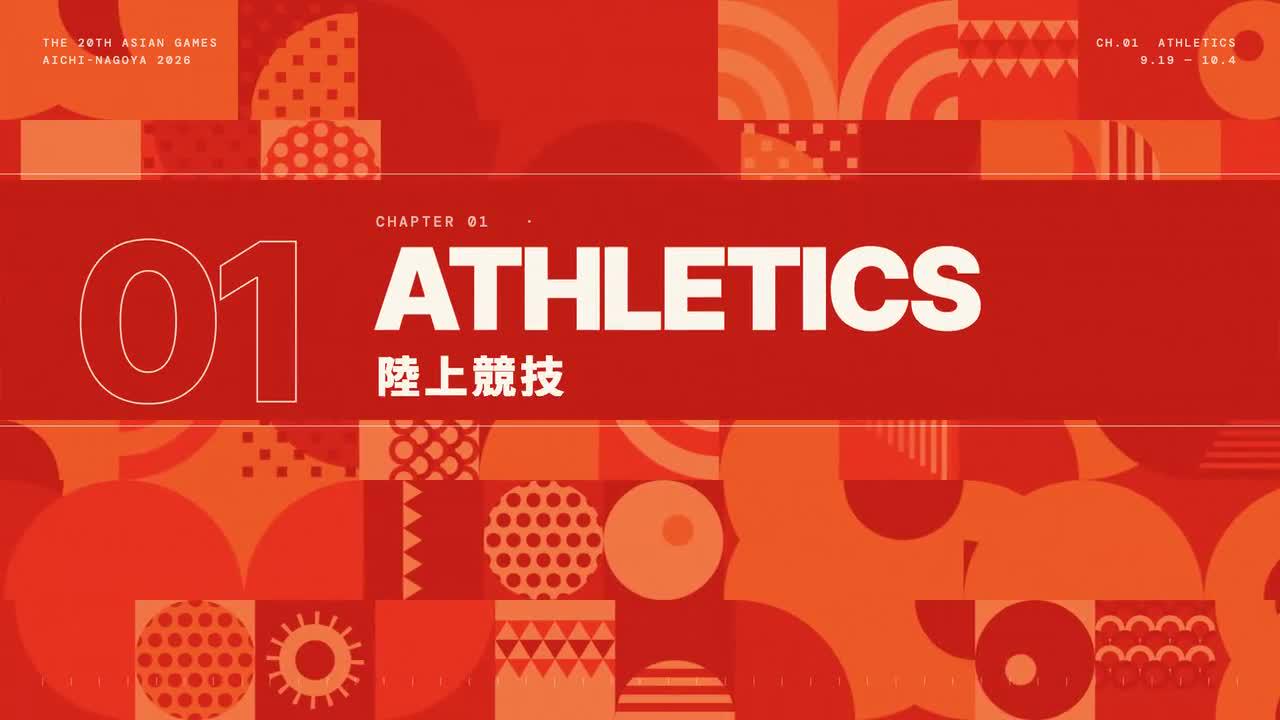
Author-film frame. Credit: LemoLab. This is an unofficial fan work.
1. Separate sports, cards, and musical beats
Study the geometric-athlete motion system. Figures use rounded bars and disc heads, while masked titles and shifting grid rows create transitions. Keep figures clear of readable bilingual titles.
The author’s source describes 43 sport categories and 70 action cards, not 43 equal-length shots. Its composed score uses 150 BPM: a beat is 0.4 seconds, with longer cards and faster subgroup runs. These are source settings, not newly measured tempo or verified event statistics. The film has no narration.
Inspect edl.js, poses/, scenes.js, and music/music.py. The score reads the edit list, so changing chapter lengths requires corresponding musical changes—not merely shifting a soundtrack.
2. Install only the required tools
Use a separate local terminal with Git, Node 20+, Python 3.11+ or uv, FFmpeg/ffprobe, and zsh. This case uses synthesized sound, not TTS or imported sample banks.
git clone https://github.com/lemomo-ai/lemo-opuscar.git sports-study
cd sports-study
export LEMO_OPUSCAR_HOME="$PWD"
sh plugin/skills/lemo-opuscar/scripts/setup.sh deps
mkdir -p evidence
git rev-parse HEAD > evidence/commit.txt
cd styles/pictogram-motion/demo
PY=../../../.venv/bin/python
Check fonts and retain dependency versions. Keep the reference separate from rebuilt outputs. The case-specific commands below run from demo/, not the repository root.
3. Use this new copy-ready brief
This reproduction prompt is newly drafted, not recovered from the author:
Study and reconstruct the existing All 43 Sports fan film. Read the actual
commit, locks, STYLE.md, DEMO.md, CREDITS, edl.js, pose contracts, render.mjs,
mux.sh and music code. Check inputs; then follow supported commands directly.
Preserve attribution and unofficial status, not an organiser endorsement.
Keep the EN-JP version, source grouping, 43-category/70-card distinction,
readable actions, progress ticks and tiled finale. Retain stable limb lengths,
prop contacts, color contrast and separate text/figure areas. No real footage,
new narration, external media generation or invented performance claims.
Derive state from absolute time and card-local beats. Test reverse seeking and
contact/release frames. Export the music timeline from edl.js before composing.
If the edit changes, update the score's section assertions rather than disabling
them. Report actual onset checks without copying the author's pass results.
Check 60 fps, 161.6 seconds of source picture plus the mux's two-second tail;
distinguish that from container duration. Use the positional worker argument,
LANGQ/OUTDIR settings and zsh mux. Independently decode outputs: a completion
message is insufficient. Save prompts, source diffs, dependencies and actual
model/provider/effort/session records. No publishing or reference-image redistribution.
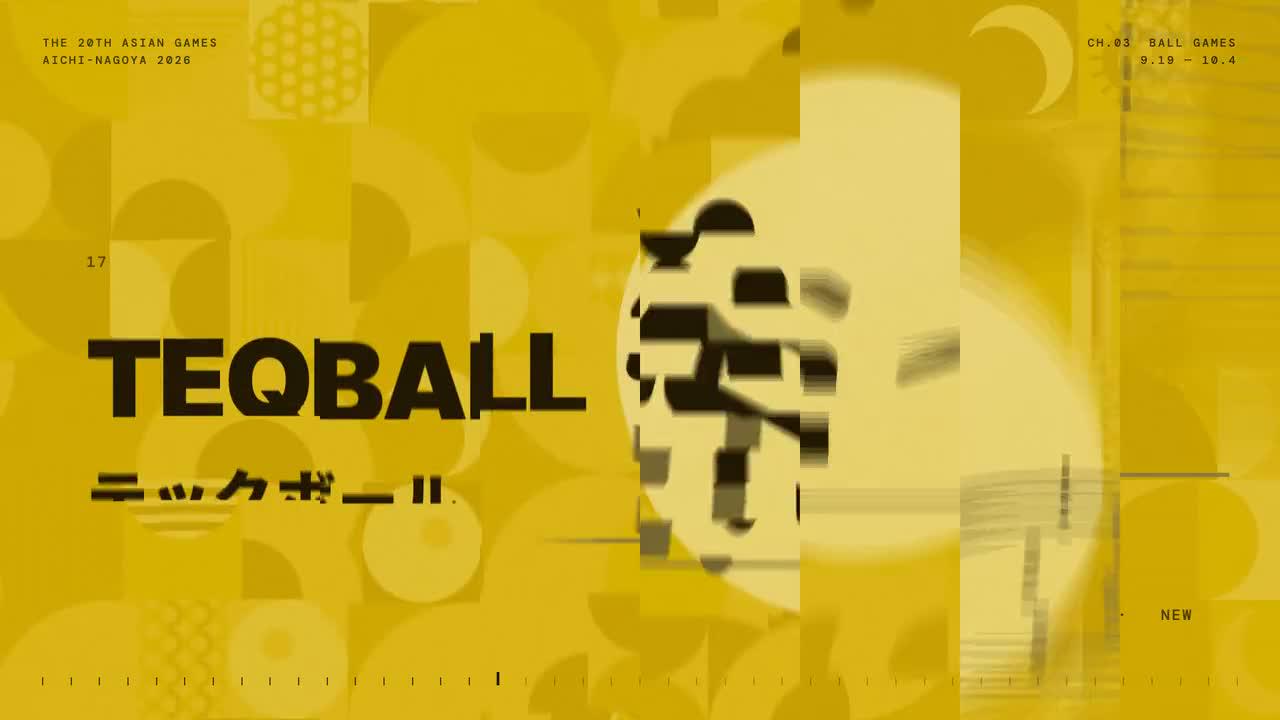
Original-release frame; review action readability and both title languages in motion.
4. Rebuild music, poses, and video
node music/export_timeline.cjs
"$PY" music/music.py
cat music/report.txt
node lab.mjs stills/athletes.png "p=sprint,hurdles,relay&n=8&beats=4"
LANGQ=ej node shot.mjs 24.8 63.2 104.9 153 --sheet
LANGQ=ej FPS=60 OUTDIR=out_ej node render.mjs video 2
OUTDIR=out_ej zsh ./mux.sh
node srt.cjs
2 is worker count; the mux is a zsh script, not portable sh. It adds two seconds of cloned tail for the music’s ring-out. The SRT contains title cards, not spoken captions.
Inspect errors, clipping, and audio attacks. For an observed defect:
Correct the observed pose, overlap, or onset mismatch. Preserve source timing
unless a documented edit requires coordinated score changes. Keep the figure
layer masked away from labels. Regenerate affected checks and show real offsets.
5. Check the whole catalog and ending
OUT=../pictogram-motion.mp4
ffprobe -v error -count_frames -show_streams -show_format -of json "$OUT"
ffmpeg -v error -i "$OUT" -f null -
The documented full render is 9,816 frames at 60 fps. Inspect every category, title, transition, and music ending; the renderer’s console does not reliably certify encoder success.
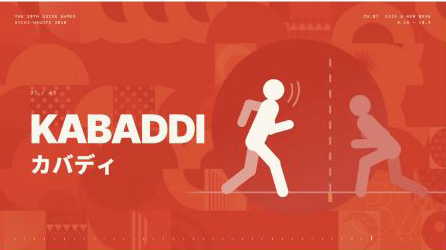
Additional author-film frame; retain fan-work identification.
Archive the editable project and checks. MIT does not cover event identity: the sports film’s explicit rights exclusions identify organiser-owned elements and forbid redistributing ref/ images. Preserve font notices; replace event-specific branding for another production.